Region decision
Northern vs Southern California: which coast to plan your first trip around
Choose the northern coast for cliffs, redwoods and a scenery-led trip; choose the southern coast for beaches and city stays. Set one coastal base. Treat Palm Springs or Lake Tahoe as a separate inland leg if the travel time fits.
Plan the next stepBy California Guide editorsReviewed against primary and official sourcesHow we review 14 checked placeschecked September 12, 2026
Positioning
Use this guide when
Best for- First-timers overwhelmed by California's size who need to pick one region.
- Travelers deciding between scenery-first north and beach-first south.
- Planners weighing whether a desert or mountain add-on is worth the inland drive.
Tradeoffs- The north trades warm, reliable beach weather for dramatic coastline, redwoods, and quieter towns.
- The south trades scenic drama for warmth, city energy, and easier family logistics.
- Adding Palm Springs or Tahoe means giving up a coast day and committing to a multi-hour inland drive.
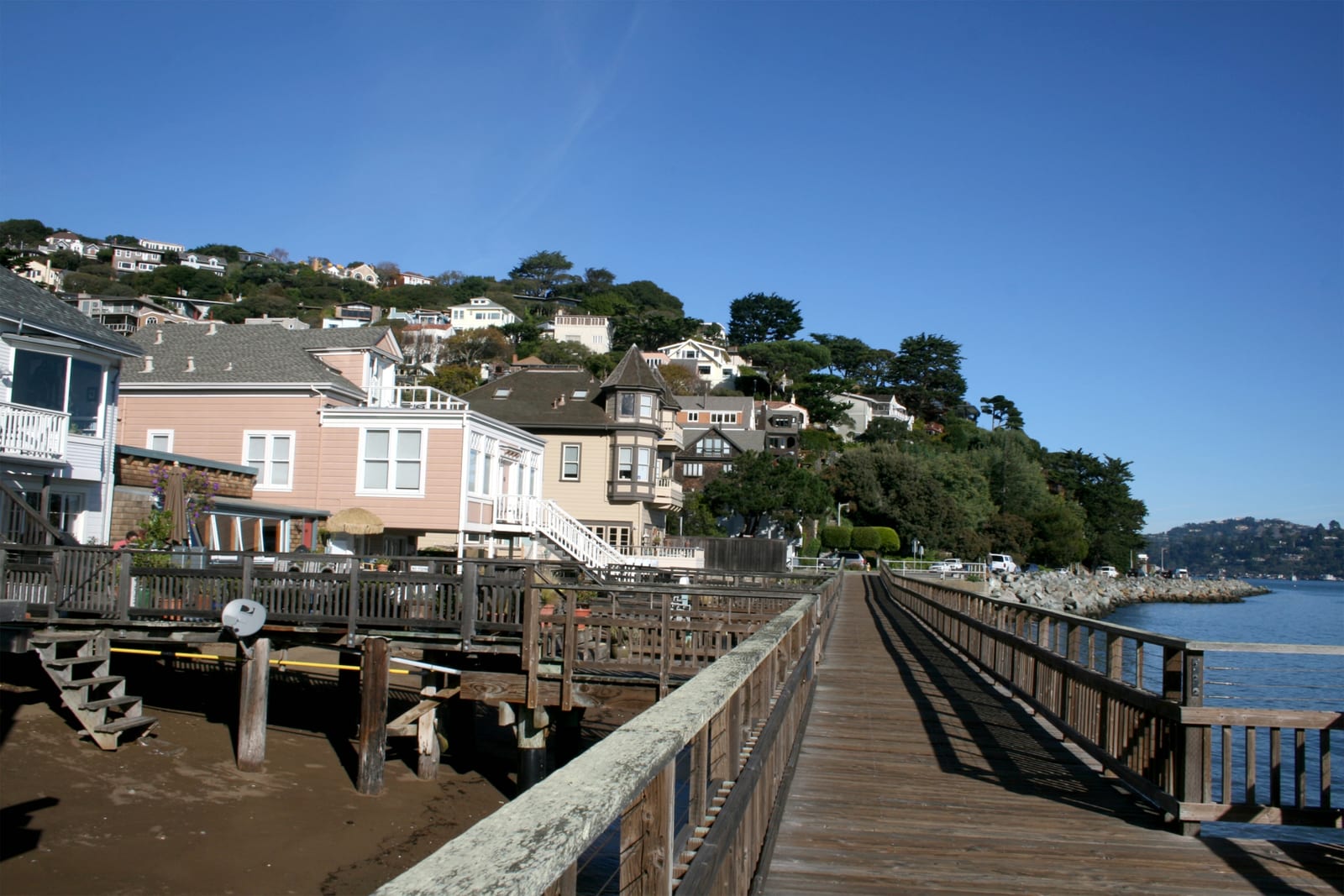
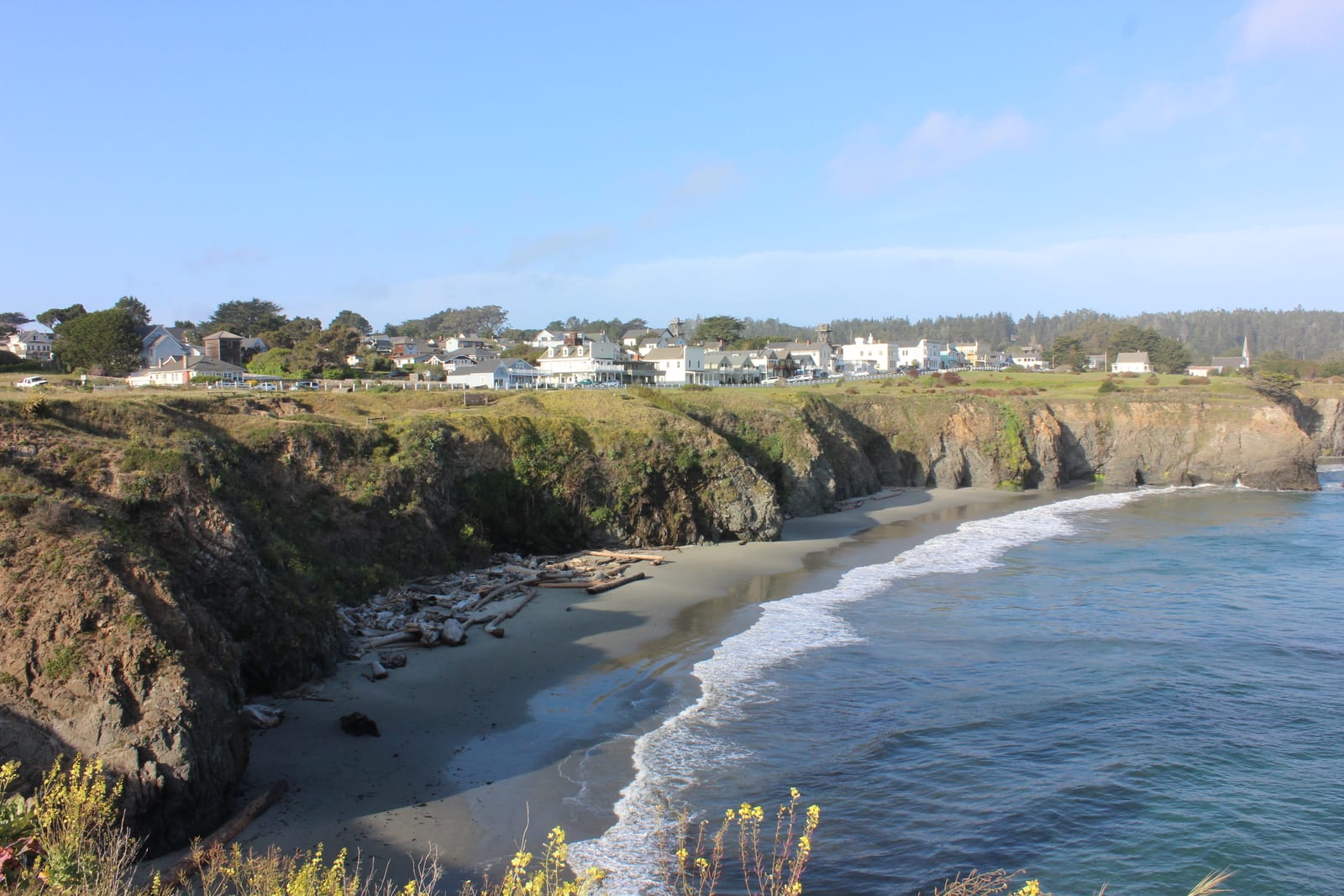
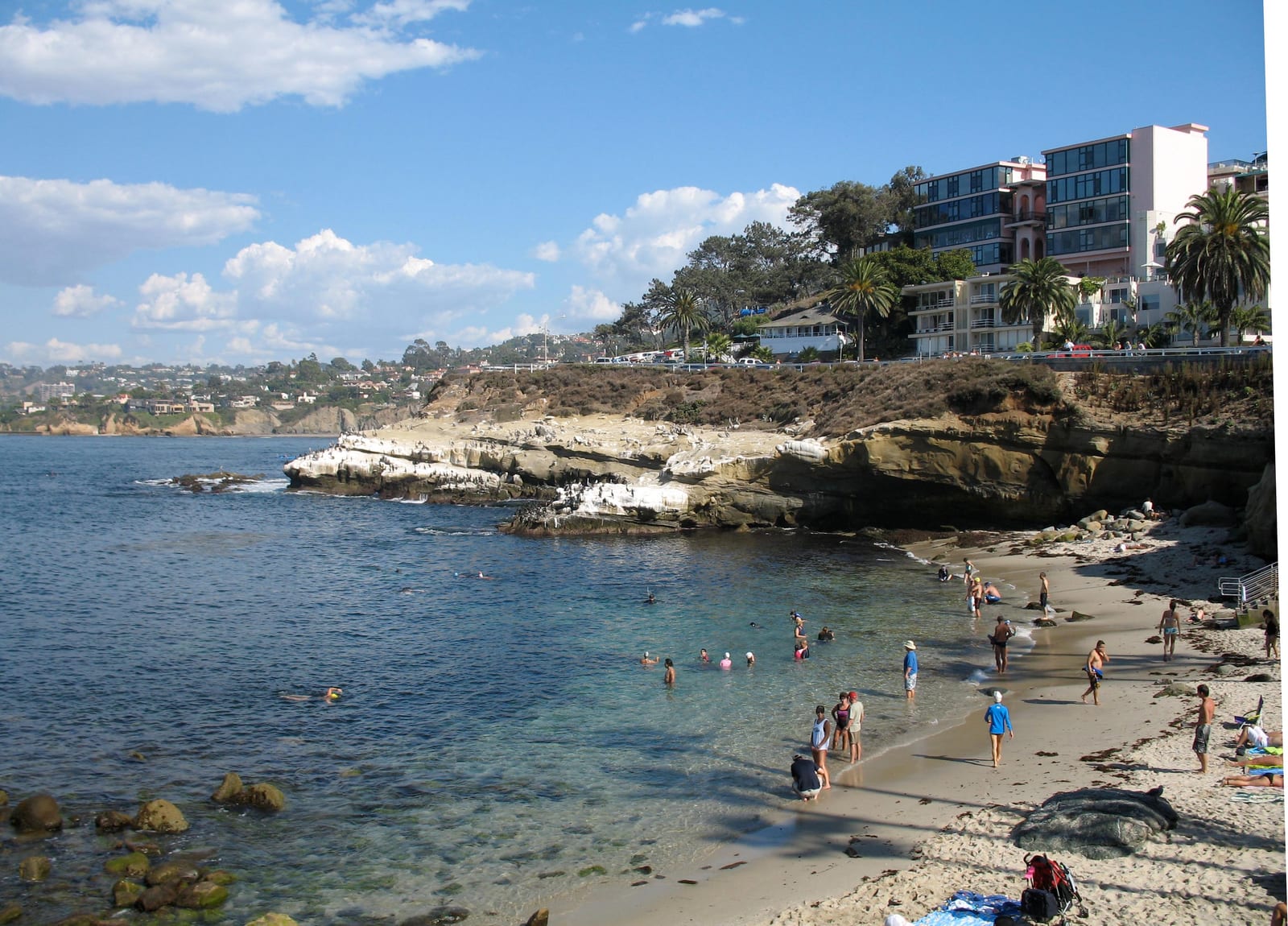
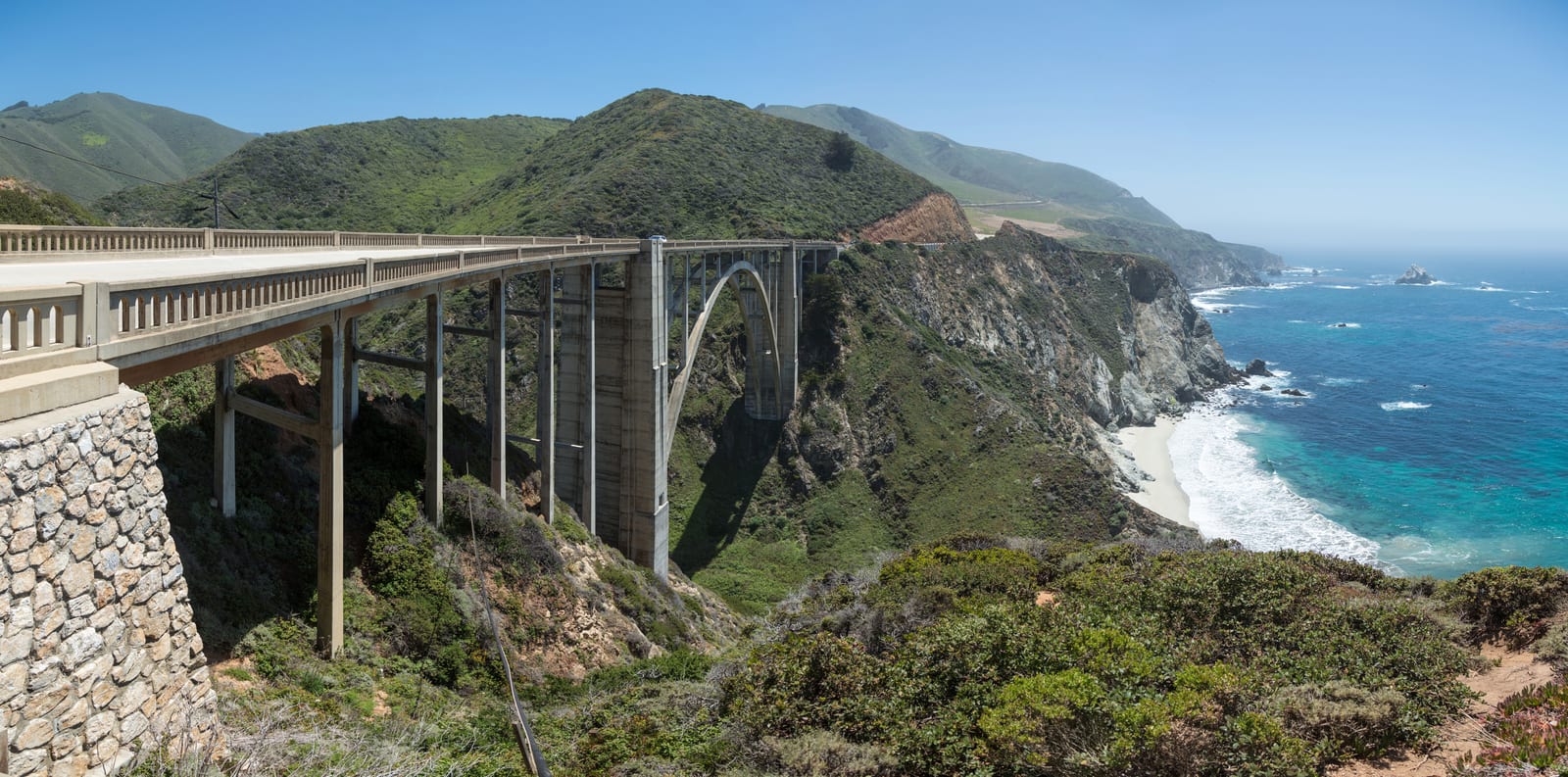
Decide by weather and what you want your days to feel like. If you want cliffs, redwoods, Monterey Bay, and cool air — and you will pack layers even in July — base north around Monterey or in a gateway like Sausalito or Mendocino, and use the Highway 1 drive as the spine. If you want warm beaches, walkable piers, sea lions, and easy kid days, base south around Santa Monica, La Jolla, or Santa Barbara. Palm Springs and Lake Tahoe are real payoffs, but they pull you off the coast for hours, so add at most one and treat it as a distinct leg — the desert tram or an alpine lake day — rather than a detour you squeeze in.
Editorial read
California is a region choice, not a loop
The first mistake is trying to see it all; the fix is picking one region and basing there.
- The main coasts are roughly 500 miles apart, so a San Francisco-to-San Diego week is mostly driving, not vacation.
- Pick one region — north coast, south coast, or one coast plus a single inland add-on — and set a base you keep for most nights.
- Use a scenic drive as the spine within a region, not as a way to connect distant regions in a few days.
- Checked September 12, 2026: Caltrans reports a wildfire closure between Los Burros and Kirk Creek Camp. Highway 1 is not currently a through-route; Pfeiffer Big Sur State Park and Big Sur Lodge are also temporarily closed. Check the current road bulletin before using Big Sur to connect bases.
CalibrationKeep the framing on choosing one region, so readers do not plan an exhausting statewide loop.
Editorial read
Weather and what the days feel like
Season and climate should decide the region more than a bucket list does.
- The north coast is cooler and foggier, often gray until midday even in summer, and built around cliffs, redwoods, and Monterey Bay.
- The south coast is warmer and sunnier, built around beaches, walkable piers, and cities, and easier with kids.
- If you want to swim and be warm in summer, go south; if you want dramatic scenery and cool air, go north.
CalibrationKeep weather as the deciding factor rather than treating both coasts as interchangeable warm beaches.
Editorial read
When to add the desert or the mountains
Palm Springs and Lake Tahoe are worth it, but only as their own leg.
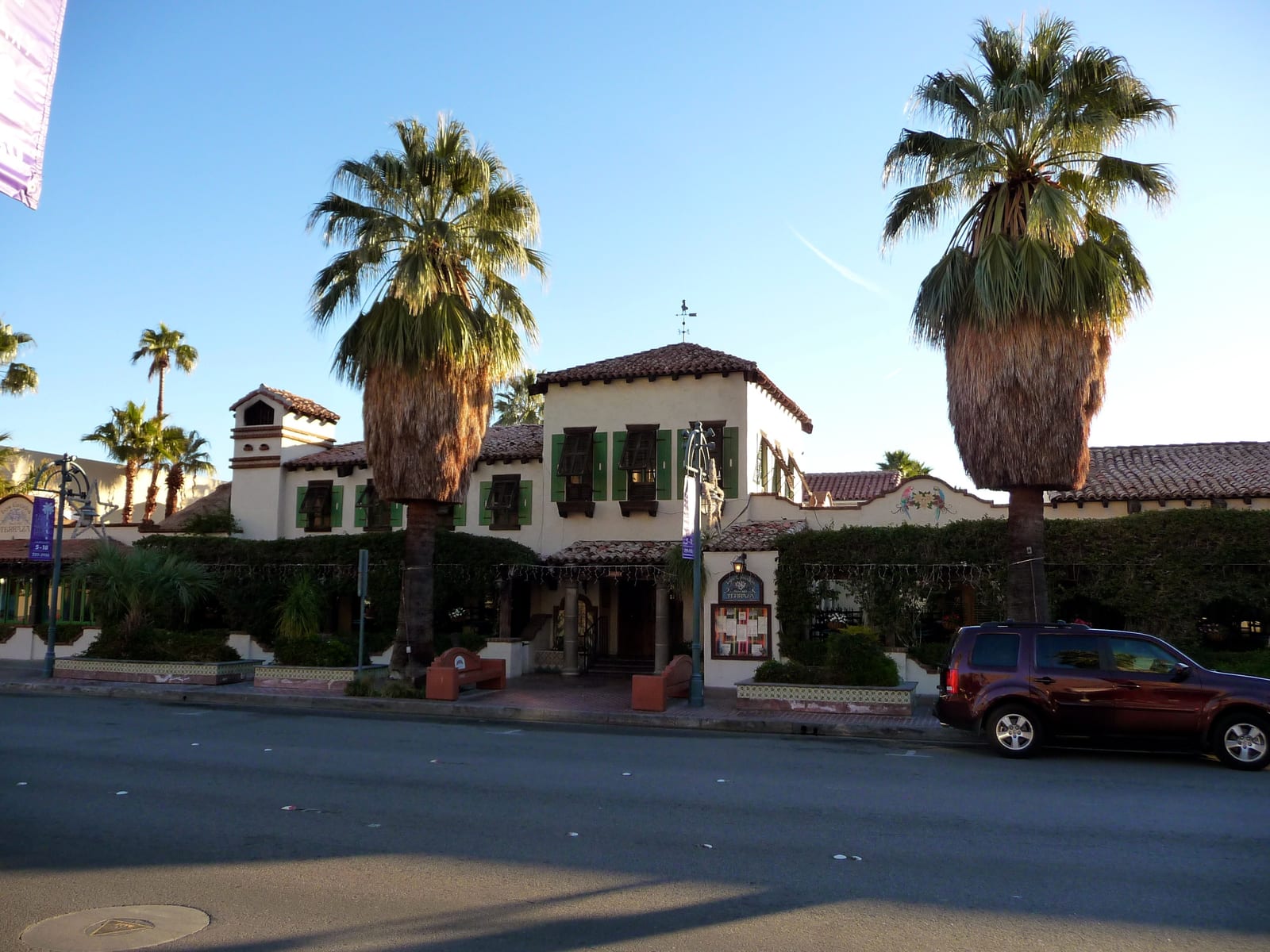
- From the south, Palm Springs adds desert design and the Aerial Tramway; from the north, Lake Tahoe adds Emerald Bay and an alpine lake day.
- Each is a multi-hour inland drive, so add at most one and sleep there rather than day-tripping both ways.
- With under a week, skip the add-on entirely and keep the trip on one coast.
- Checked September 12, 2026: the Tramway is closed for maintenance through October 4. Reopening on October 5 is tentative; ticket sales are paused during the closure.
CalibrationKeep add-ons framed as distinct overnight legs, not detours, so readers do not underestimate the drive.